Photographing Your Home: A One-Weekend Inventory Project
A room-by-room, one-weekend method for building a photo and video home inventory that actually holds up when it's time to file a real claim.
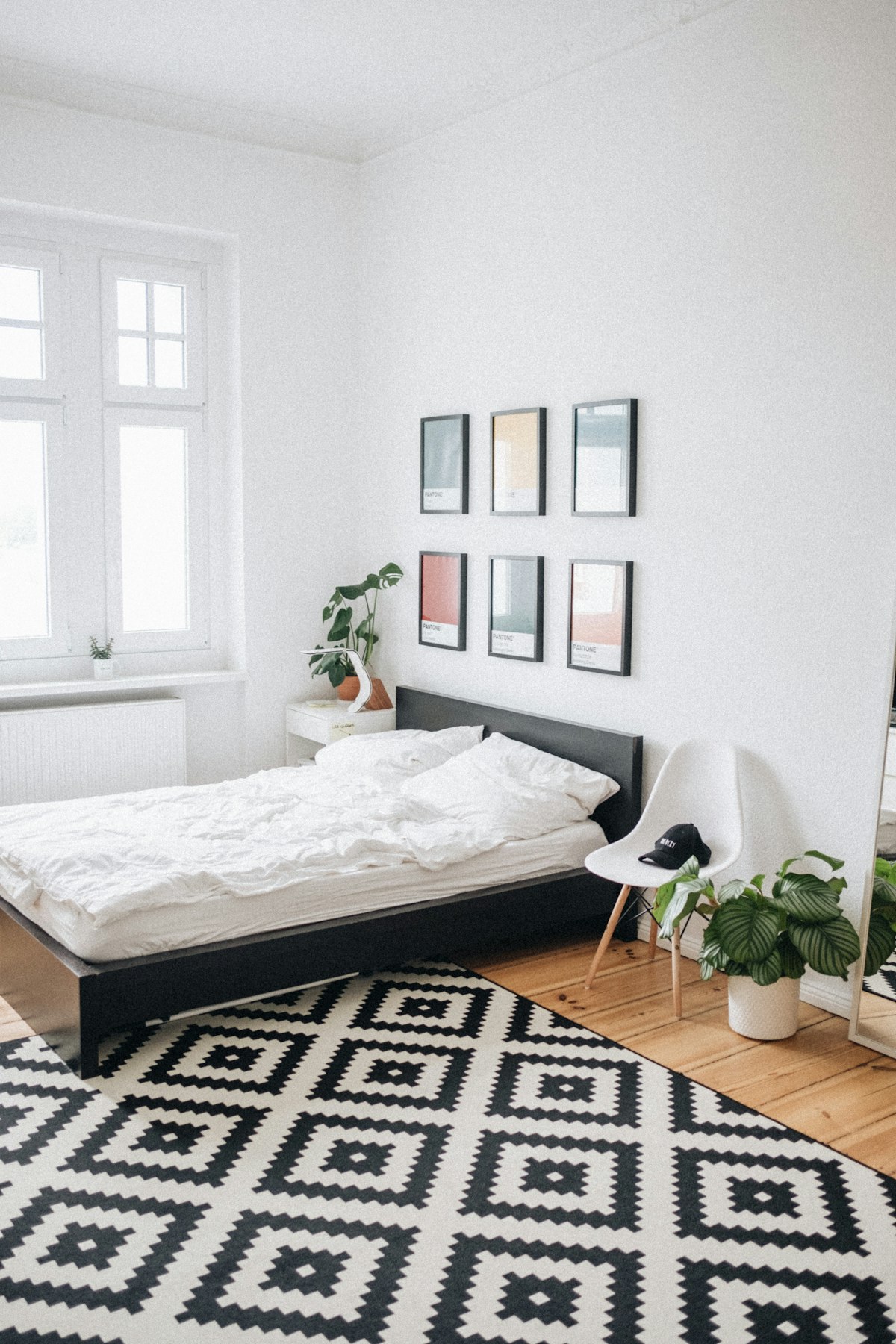
A home inventory is one of those projects everyone agrees is a good idea and almost nobody has actually finished, because it sounds bigger than it is. Framed as a single weekend rather than an open-ended chore, it's a manageable project: walk through each room with a phone, photograph and log what's there, and end up with a record that turns a claim after a fire, theft, or major storm from a memory exercise into a documentation exercise. Here's a room-by-room method that fits into two days.
Why the Photos Matter More Than People Expect
After a total loss, the hardest part of a claim often isn't proving that a house full of belongings existed — it's reconstructing the specifics. What model was the television. How old was the sofa. Whether there were two lamps in the living room or three. Memory under stress, weeks or months after a loss, is unreliable in ways that are hard to predict in advance. A weekend of photos and video, done while nothing is wrong, replaces that reconstruction with a record that can be handed directly to an adjuster.
Saturday: The Ground-Floor and Common Rooms
Start with a slow video walkthrough of each room before taking any individual photos — open closets and cabinets as you go, narrating what's visible. This single continuous pass captures context and scale that individual photos miss, like how furniture is arranged relative to the room.
After the video pass, go back through with still photos focused on higher-value items: televisions, computers and other electronics, artwork, furniture with any real resale value, kitchen appliances. For each of these, get a close-up photo of any visible serial number or model number, usually on a sticker on the back or bottom of the item. If a receipt exists, either in a physical file or an email confirmation, photograph or save it alongside the item photo. Receipts aren't required to file a claim, but they meaningfully speed up the valuation process when they exist.
Do the kitchen, living areas, dining room, and any home office on the ground floor this way. It's slower than it sounds only the first time; by the third room, the routine of video-then-photos-then-serials becomes fast.
Saturday Afternoon: Garage, Basement, and Storage
Garages and basements tend to get skipped in inventory projects because the contents feel less valuable individually, but tools, sporting equipment, seasonal items, and anything stored in bins add up in aggregate and are exactly the kind of thing forgotten during a stressed claim process months later. The same video-then-photo method applies, though serial numbers matter less here except for power tools and larger equipment.
Sunday: Bedrooms and Closets
Bedrooms move faster since there's typically less to individually document, but closets are worth real attention. Clothing in aggregate has real replacement value that's easy to underestimate, and a wide video pass across a full closet, even without cataloging individual items, gives an adjuster a sense of volume and quality that a verbal description won't.
This is also the right time to photograph jewelry, watches, and other small high-value items individually, ideally against a plain background with good lighting. Some of these items may be worth a separate conversation with an agent about a scheduled rider, since standard policies often cap coverage on jewelry and valuables well below full replacement value.
Don't skip the small, easy-to-forget categories tucked into bedroom furniture: musical instruments, hobby equipment, collections of any kind, and anything stored in a dresser drawer that would never come to mind under stress months later. It's these forgettable middle-value items, more than the obvious big-ticket ones, that tend to be underestimated in a claim precisely because nobody thought to document them in the moment.
Sunday Afternoon: Compiling and Storing the Backup
The project isn't finished until the material is stored somewhere it will survive the same event that would destroy the physical belongings. A cloud storage folder, organized by room, is the primary copy — accessible from anywhere, immune to a fire or flood at the house itself. A second, offline copy, whether a USB drive kept at a workplace, a safe deposit box, or with a trusted family member elsewhere, protects against the edge case of a cloud account becoming inaccessible when it's needed most.
Label the cloud folder clearly by date, since the next step is keeping it current.
What to do with the video once it exists.
A video walkthrough is useful evidence, but only if it's actually usable when needed, which means naming files clearly rather than leaving a folder of identically named clips from a phone's default export. A simple convention — room name and the date of filming — is enough to make the archive navigable months or years later, when the person searching it is stressed and moving quickly rather than browsing casually. It's also worth exporting a short written list alongside the video and photos: a room-by-room summary of major items, even a rough one, gives an adjuster a fast reference point rather than requiring them to review hours of footage to reconstruct what a video pass captured.
Keeping It Current Without Redoing the Whole Project
The full weekend project only needs to happen once. After that, the maintenance is much lighter: photograph and log any major purchase — furniture, electronics, appliances — at the time it's bought, and add it to the existing folder rather than waiting for a future overhaul. A rough annual check, walking through with fresh eyes for anything added or removed since the last update, keeps the inventory close to accurate without ever requiring the original two-day investment again.
Subscribe to The Coverage Memo
Twice a month: what changed in the insurance market, what to switch, and what to leave alone. No fluff, no carrier press releases.